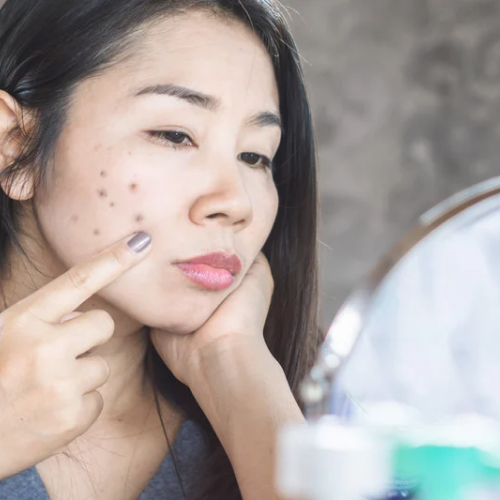
What Causes Acne Marks on Face?
Acne marks can be stubborn and emotionally challenging, especially for those who struggle with them on their face. Understanding the underlying causes of acne marks is crucial to tackle them effectively. By identifying the root causes and taking preventive measures early on, you can minimize their appearance and prevent them from worsening. Don’t underestimate the importance of addressing acne marks, because timely treatment can lead to amazing results.
In-depth Causes to Understand
Excess Melanin Production
When excess melanin is produced in the skin after acne, it can lead to stubborn acne scars. To address this, it’s essential to understand what leads to cause of marks on skin. By making changes to your diet and skincare habits, you can reduce the appearance of these scars. Early treatment is crucial to prevent them from becoming more prominent.
- Chemical peels
- Laser resurfacing
- Appropriate skincare routine
- Maintaining proper hygiene could be beneficial
Pimple Popping
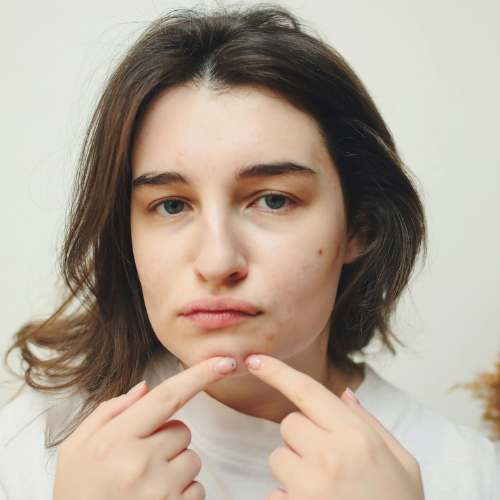
Popping pimples is one of the worst habits that usually done by people. It can lead to severe acne marks which can take a long time to fade. Instead of popping pimples, consider using pimple patches or other treatments to help them heal. Breaking the habit of popping pimples is key to maintaining healthy skin and preventing future issues.
- Don’t touch or play with pimples
- Never try to squeeze the puss
Continuous touching of the Face
Many people touch their face unconsciously, which can be detrimental to their skin. When you touch your face with dirty hands, you’re transferring bacteria and dirt to your skin, which can cause breakouts and lead to acne marks. If you have pimples or sensitive skin, it’s essential to avoid touching your face to prevent further irritation and scarring.
Slow Healing Process
When pimples take time to heal, they can leave behind acne marks. It’s essential to let pimples heal naturally or with appropriate treatment before focusing on reducing marks. Some pimples may heal without intervention, while others might benefit from gentle care, like pimple patches. Understanding the healing process and being patient can help minimize the appearance of acne marks.
- Don’t rush them
- Do use different type of products to see short time results
Severity of Acne
If acne is severe, painful, or triggered by sensitivity to products or food, it can lead to stubborn acne marks. In such cases, it’s crucial to consult a dermatologist rather than attempting self-treatment or following social media remedies. Professional guidance can help prevent further skin issues. you all need to do is – 1st treat acne.
Product Sensitivity
Using products that aren’t suitable for your skin can lead to irritation, itching, and ultimately, acne marks. If a product is too harsh or contains ingredients you’re sensitive to, it can exacerbate skin issues. To avoid this, always check the ingredient list and perform a patch test before applying new products, especially if you have acne-prone or sensitive skin. This simple step can help prevent unwanted reactions and reduce the risk of acne marks.
Combination of Products
When building a skincare routine with multiple products, it’s essential to consider how the ingredients in each product interact with one another. If the ingredients clash or cause irritation, it can lead to acne marks. It’s not just about one product – it’s about ensuring that all the products in your routine work harmoniously together. To avoid issues like clogged pores and skin irritation, carefully review the ingredient lists of each product and adjust your routine as needed.
Popular Treatments for Acne Marks
SPF
Sunscreen is commonly recommended by everyone for acne marks or spots because it’s not just protection; it also works deeper with ingredients that treat acne marks. Using sunscreen daily helps fade dark spots by controlling environmental stresses.
Vitamin C
Adding vitamin C serum or cream to your routine can help treat acne marks. Choose products suitable for your skin type and check for sensitivity.
Chemical peels
Many people suggest chemical peels for acne marks, but consult a dermatologist before trying them. Professionals recommend chemicals peels with alpha hydroxy acids (AHAs), beta hydroxy acids (BHAs), or retinoids, and guide you on essential precautions.
Laser treatment
Laser treatment uses blue light to remove the upper skin layer, but this should be done by professional experts. Don’t buy a laser device and experiment on yourself.
Microneedling procedure
Micro needling involves tiny needles injecting into the skin stimulating collagen production, which helps treat excess melanin. This procedure is safer when done under a consultant’s guidance, and be prepared for potential sensitivity.
Pingback: Acne on Face: Understanding the Root Causes